Hi all! Here is our virtual discussion prompt this week. I’ll post discussion questions throughout and at the end that will be in bold text.
Susana Smith Bautista explains in her 2013 book Museums in the Digital Age: Changing Meanings of Place, Community, and Culture that digital technology affects every aspect of our modern lives. While most modern essays and articles focus on how technology can provide new opportunities for museums and completely change how they operate, Bautista believes that we shouldn’t rush to change everything about the traditional museum. We must consider how a museum’s online or global community relates to its physical or local community, and all interactions between the two. Culture and technology are intertwined; both adapting and changing the way museums work as important sociocultural institutions.
Today, museums are experiencing a shift into the digital age. Bautista explains that four major constructs are interlinked: place, technology, community, and culture. She suggests important questions for discussion: if museums are cultural institutions, how much should they reflect society’s values and concerns? Should they reflect what’s important to the upper classes or to the lower classes? Which cultures, races, or ethnic groups should be represented? These are not easily answered by modern museums, and may unfortunately depend on where the funding is coming from. In the past, only elite culture was stressed, but in a modern diverse world, most museum curators and staff would agree that multiple voices need to be represented, especially minority groups that have been historically underrepresented.
Bautista analyzes five different case studies of U.S. museums that she considers to be forerunners in using innovative technologies, both onsite and online. She focuses on art museums because she believes that they are more likely to encourage and sustain discussion on issues involving authenticity, contemplation, discourse, expertise, creativity, and authority. Personally, I believe that any type of museum could foster such discussion, as I am covering all of these topics in my research on authenticity and meaning in Northwest Coast traditional wood carvings. What do you all think? We will discuss three of her chosen museums: the Indianapolis Museum of Art, the Walker Art Center, and the San Francisco Museum of Modern Art. For each museum, Baustista evaluated them in relation to their physical space, how they used social media to engage online communities, website strategies, how they use technology onsite, and staff attitudes towards technology and museum goals.
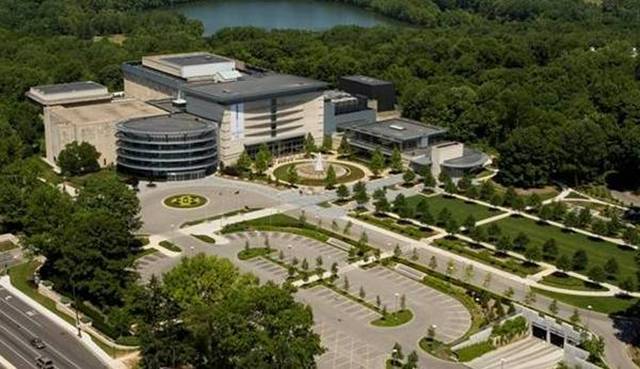
Bautista describes the Indianapolis Museum of Art (IMA) in Indiana as a top museum in the state, with a growing international presence. The museum campus consists of the 26-acre historic Oldfields-Lilly House and Gardens, surrounding gardens, the Newfield residence, the Playhouse recreation building with swimming pools and a tennis court, four pavilions, and a 100-acre nature park. 2010 records show that 428,213 guests came through the museum buildings, but thousands more likely visited the grounds due to the free admission and parking, thanks to support from corporations and wealthy donors. Extensive public programs including meditation hikes, guided walks, and arts fairs draw large crowds. In 2013 when Bautista’s book was published, the IMA website drew large numbers (nearly one million visitors) to its virtual exhibitions, which tended to focus more on drawing in a global community rather than a local one. Bautista describes tags integrated into a collections search based on descriptive words that online visitors used to describe images. There was a “tag cloud” page where the more popular the word, the larger it would appear. Viewers could log in to post comments and add their own tags to works featured on the website. The Tag Tours feature grouped together art under certain tags such as WTF? and LOL Catz, which seems like a fun way to encourage online visitor participation. Unfortunately, these and other features Bautista mentions no longer exist in 2020. If you visit the website today, the site is rather boring in comparison to what it used to be. A collections search revealed only basic information and images, which seems unfortunate. IMA utilizes social media such as Facebook to target a local audience with posted onsite events and posts art news on Twitter to appeal to a more international audience. ArtBabble, developed initially by the IMA, is still accessible as a video-sharing website. In the museum buildings today, digital comment screens are placed at the ends of special exhibitions and visitors may access guided tours on their smartphones.

The Walker Art Center (WAC) in Minneapolis receives generous support from local foundations and large corporations. Its iconic Spoonbridge and Cherry piece in the sculpture garden is used to promote the city and the museum in advertisements. The garden is an important outdoor community space, hosting exhibitions, concerts, and performances. Staff are dedicated to promoting multivocality and encouraging diverse visitor perspectives and interpretations. Civic engagement and hands-on learning experiences are the focus here. Large lounge areas between galleries and an interactive Info Lounge for shared digital experiences create spaces for visitors to interact with each other and with digital technologies. Director Olga Viso states that WAC caters first to the local community, then to the global contemporary art world and online. WAC is one of the first art museums to develop programs specifically for teenagers including exhibitions, poetry slams, internships, and workshops. The Teen Art Council website hosts blogs, online artworks, a Facebook group, and an events calendar. The Mn Artists free online artists’ community is run by WAC and funded by a local foundation. It features artworks, forums, blogs, links to social media, and other features to connect and promote local artists. In 2010, the 50/50: Audience and Experts Curate the Paper Collection exhibit featured both works chosen by the curator and by the public. Visitors, both online and via a museum kiosk, could vote on which artworks they wished to see in the exhibit. Such exhibits play important roles in encouraging visitor participation.
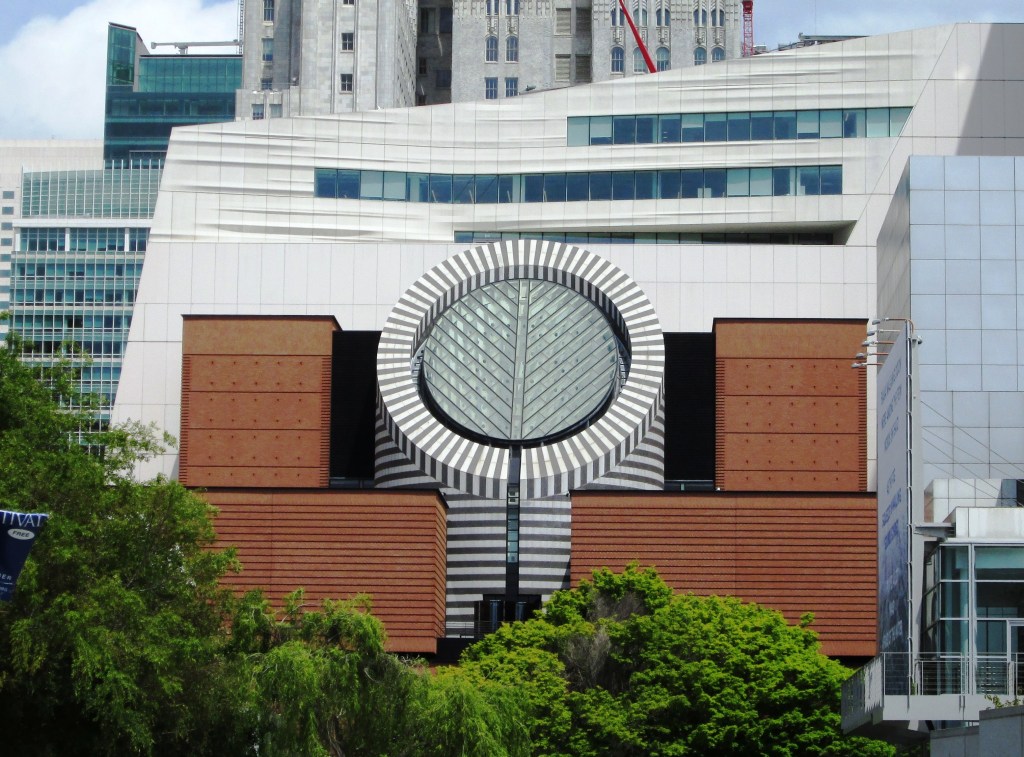
The San Francisco Museum of Modern Art (SFMoMA) serves an affluent region highly committed to community and culture. Since its earliest exhibitions in the 1930s, curators focused both on international and local artists. A 2016 renovation created 137,500 feet of gallery space and 40,000 feet of free public space, surpassing MoMA in New York. Despite creating so much space for community, admission is high: $18 for adults, $12 for seniors, and $11 for students. Such prices may deter lower-income visitors. Two spaces at the museum, the Learning Lounges and Koret Visitor Education Center, bridge the gap between physical and online spaces by providing smart tables, interactive kiosks, reading spaces, a separate children’s area and library, and digital tours visitors can access with their smartphones. Young people can participate in treasure hunt activities, taking photos of certain works on their smartphones and uploading them to Flickr. SFMoMA is very active on social media, especially Twitter. ArtThink, a resource for teachers, was developed in 2006 to provide hands-on and online activities for students from grade 4 through college. A major exhibition that served as a platform for digital technology was 2001’s Points of Departure: Connecting with Contemporary Art. Touch-screen tables, interactive kiosks, and handheld PDA tours won the museum a Gold MUSE award in 2002 for best integration of new technologies into a gallery space. ArtScope, created in 2008, featured thumbnail images of 6,050 objects from the museum’s permanent collection arranged in a map-like grid that online visitors could utilize instead of a conventional collections search. Unfortunately, this feature is no longer available. However, the museum’s blog Open Space is still active as a community forum for the San Francisco arts community.
Using Bautista’s evaluation criteria:
How does each museum use physical space? How do they use social media to engage online communities? What are their website strategies? How do they use technology onsite? What are staff attitudes towards technology and museum goals?
 Taryn's Museum Studies Blog